
Jobs Most Vulnerable to AI Automation in 2026
Every time there is a change in technology some people win and some people lose. The question is not if Artificial Intelligence will change the way we work it is if you will be ready for the change when it happens.
Something big happened in March 2026. Tufts University's Fletcher School came out with the AI Jobs Risk Index. This is a way to measure which jobs are most likely to be taken over by Artificial Intelligence. The results were surprising: about 9.3 million jobs in the United States are at risk of being taken over by Artificial Intelligence in the 2 to 5 years. This could mean that a lot of people will lose their jobs and their families will struggle financially.

This is not something that might happen in the future. It is happening now.. The thing is, this is not a story about robots taking over the world. It is a story about which tasks Artificial Intelligence can do faster and cheaper than humans and what that means for the people who do those tasks.
Lets look at the facts.
The Main Idea: It's Not the Jobs You Think
Most people think that Artificial Intelligence will first take over jobs that do not require a lot of skills. The data shows that this is not true.
People who do paying jobs that require a lot of knowledge like writers, computer programmers and web designers are actually more likely to lose their jobs to Artificial Intelligence. On the hand people who do jobs that require manual labor like construction workers or chefs are less likely to lose their jobs.
The jobs that are at risk are the ones that involve routine tasks, like data entry or customer service.
Artificial Intelligence is good at doing tasks that're repetitive and follow rules but it is not good at doing tasks that require creativity or human judgment.
The 8 Job Categories Most at Risk
1. 📋 Data Entry and Administrative Clerks
Artificial Intelligence has already started to take over some tasks in data entry like using machine learning to read and understand documents. Many companies are now using automated systems to do tasks that used to be done by humans.
2. 📞 Customer Service Representatives
Artificial Intelligence can now handle customer service tasks like answering questions and resolving complaints without any help.
3. 🌐 Translators and Interpreters
Artificial Intelligence can now translate languages. Interpret conversations, which means that human translators and interpreters may not be needed as much.
4. ✍️ Writers, Editors and Content Creators
Artificial Intelligence is being used to write articles edit documents and create content, which means that human writers and editors may not be needed much.
5. 💰 Accountants, Financial Analysts and Loan Officers
Artificial Intelligence can now do tasks like accounting and financial analysis, which means that human accountants and financial analysts may not be needed much.
6. ⚖️ Paralegals and Legal Assistants
Artificial Intelligence can now do tasks like research and document review, which means that human paralegals and legal assistants may not be needed as much.
7. 💻 Junior Programmers and Web Developers
Artificial Intelligence can now do tasks like coding and web development, which means that human programmers and web developers may not be needed much.
8. 🛒 Cashiers and Bank Tellers
Artificial Intelligence can now do tasks like handling transactions and customer service which means that human cashiers and bank tellers may not be needed much.
The Inequality That Nobody Is Talking About
The important thing to note is not which jobs will be taken over by Artificial Intelligence but who will be affected by it.
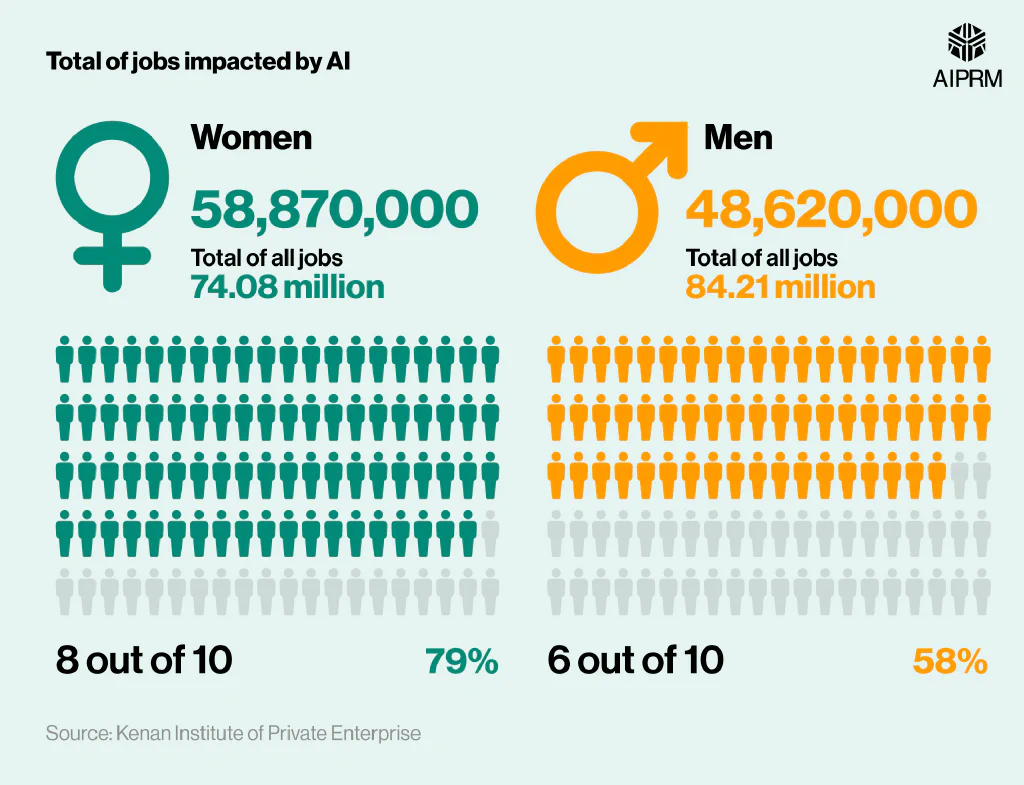
Researchers found that people who work in clerical roles are most at risk of losing their jobs to Artificial Intelligence.. Most of these workers are women, who may not have as many opportunities to learn new skills and find new jobs.
The Numbers: What the Data Says

The numbers are clear:
55,000 jobs were cut in 2025 because of Artificial Intelligence.
41% Of companies plan to reduce their workforce by 2030 because of automation.
The World Economic Forum says that 170 million new jobs will be created by 2030 but 92 million jobs will be lost.
The net result is positive. The transition will be hard for some people.
History Says: Do Not Panic
Every time there is a new technology people worry that it will take over their jobs.. It does not always happen that way.
For example people thought that ATMs would replace bank tellers. That did not happen.. People thought that Artificial Intelligence would replace radiologists but that did not happen either.
The jobs that will be created by Artificial Intelligence do not exist yet. They will.. The people who lose their jobs to Artificial Intelligence will not necessarily be unemployed forever. They will find jobs if they are willing to learn and adapt.
Jobs That Are Relatively Safe
Not all jobs are equal when it comes to Artificial Intelligence. The jobs that're least likely to be taken over by Artificial Intelligence are the ones that require human presence and judgment like doctors, nurses and teachers.
These jobs require skills like empathy, creativity and problem-solving which're hard to replicate with Artificial Intelligence.
What You Should Do Now
The difference between losing your job to Artificial Intelligence and finding a new one is how fast you adapt.
Here are some things you can do:
Look at your tasks, not your job title. Ask yourself which tasks can be done by Artificial Intelligence and try to move from those tasks.
Focus on tasks that require judgment and creativity rather than routine tasks.
Learn to work with Artificial Intelligence than against it.
Invest in your skills, like empathy, communication and problem-solving which're hard to replicate with Artificial Intelligence.
The Bottom Line
Artificial Intelligence is not going to take over all jobs.. It will take over some tasks, especially the ones that are repetitive and routine.
The workers who are most at risk are the ones who do routine tasks, like administrative and clerical workers.
The jobs of the future will require a combination of skills, like subject-matter expertise, critical thinking and knowledge of Artificial Intelligence.
What do you think. Is your job being changed by Artificial Intelligence or are you using Artificial Intelligence to make your job ? Share your thoughts, in the comments.
At Engage AI our specialty is cutting through the noise. Helping businesses like yours put AI to work in ways that deliver real measurable results. Learn more about our services and book a consultation today.